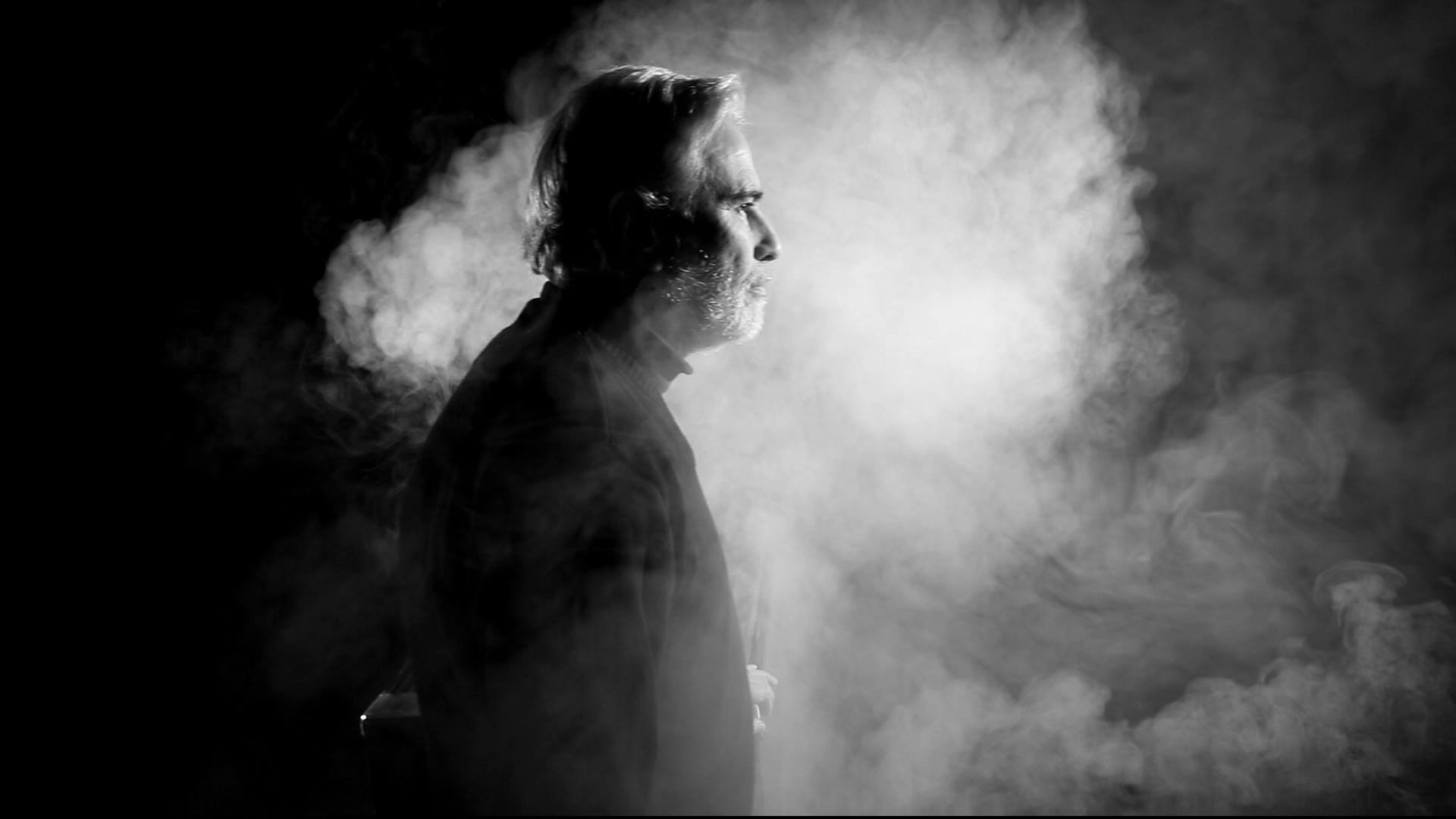
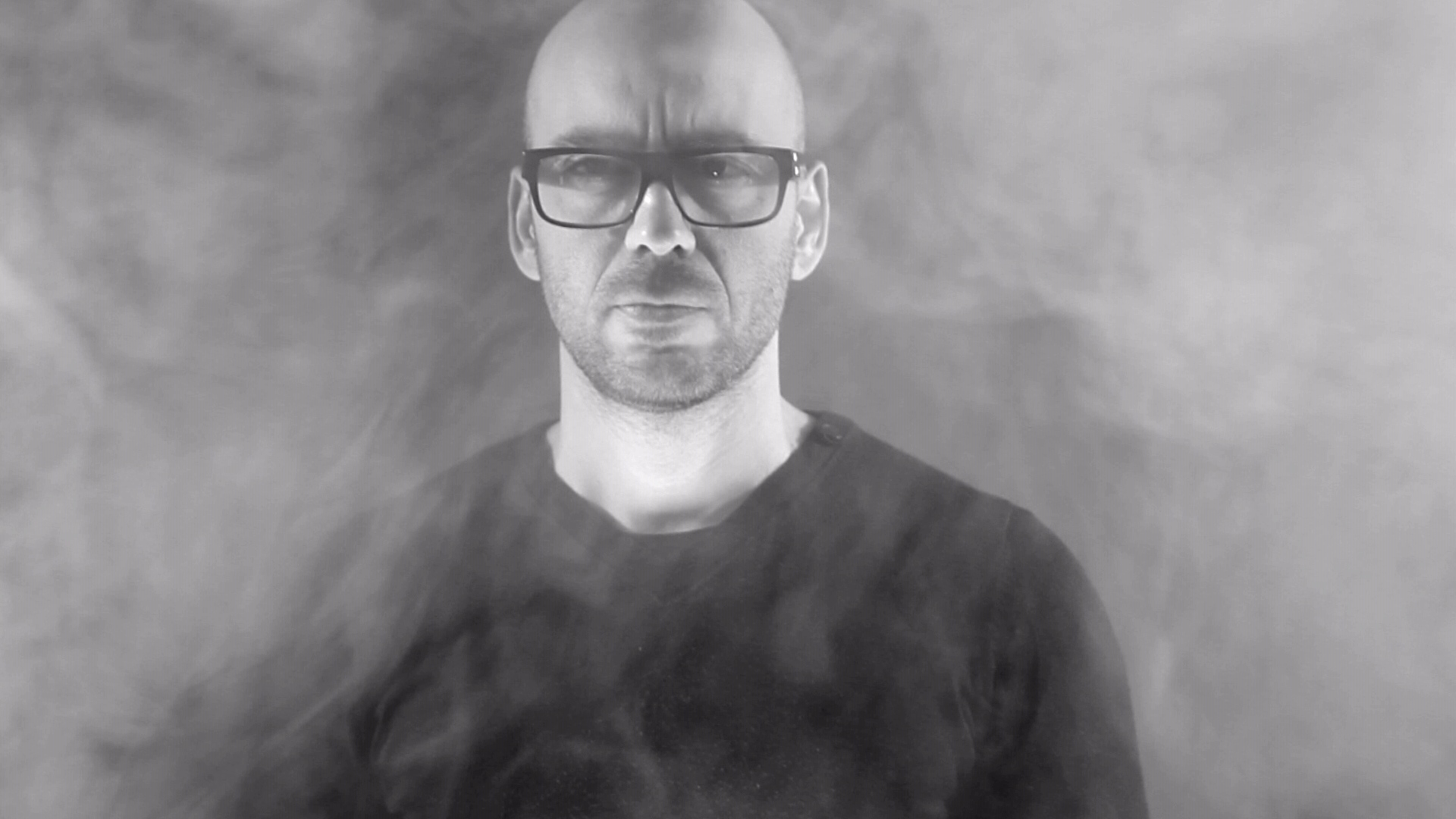
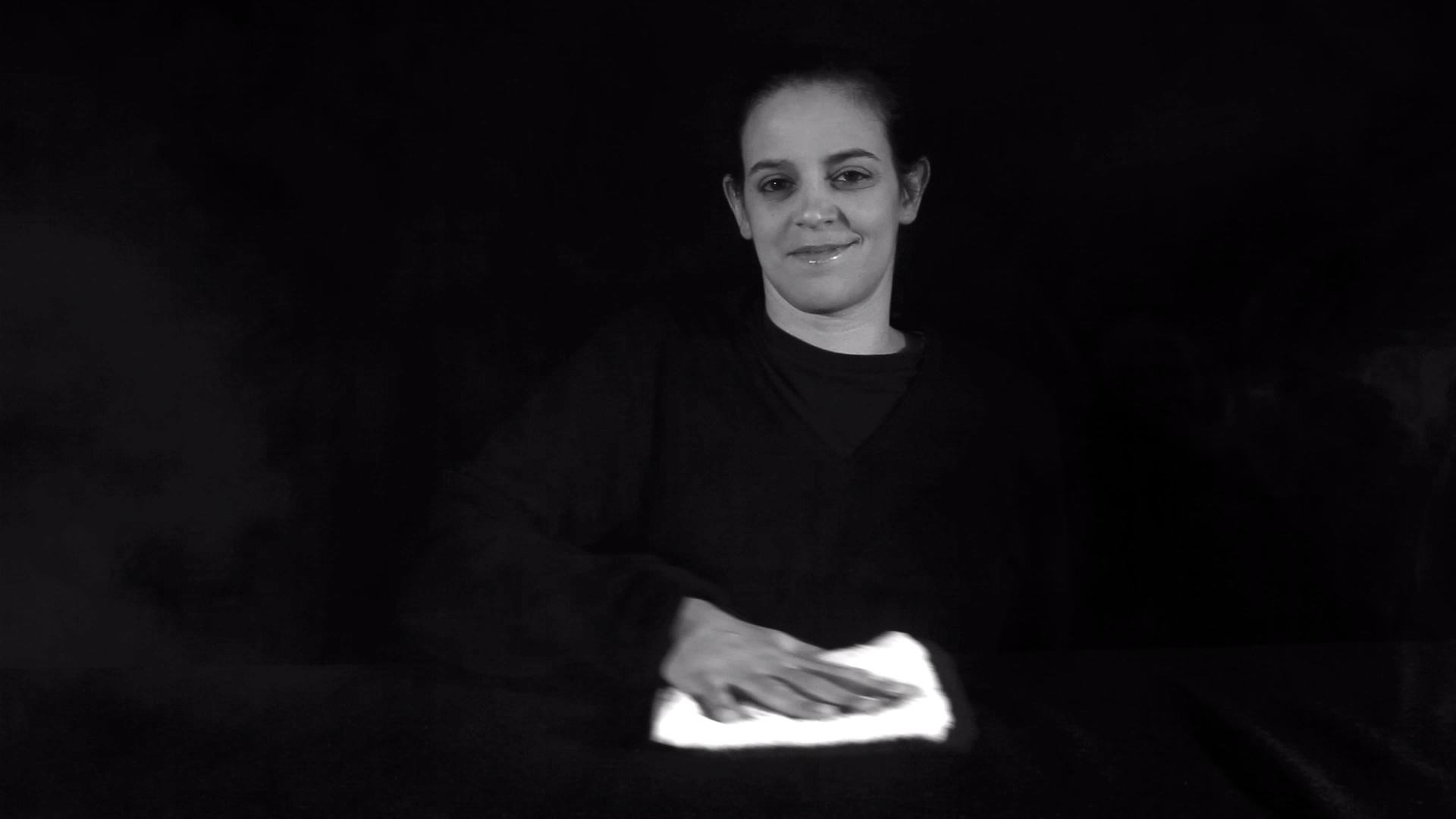
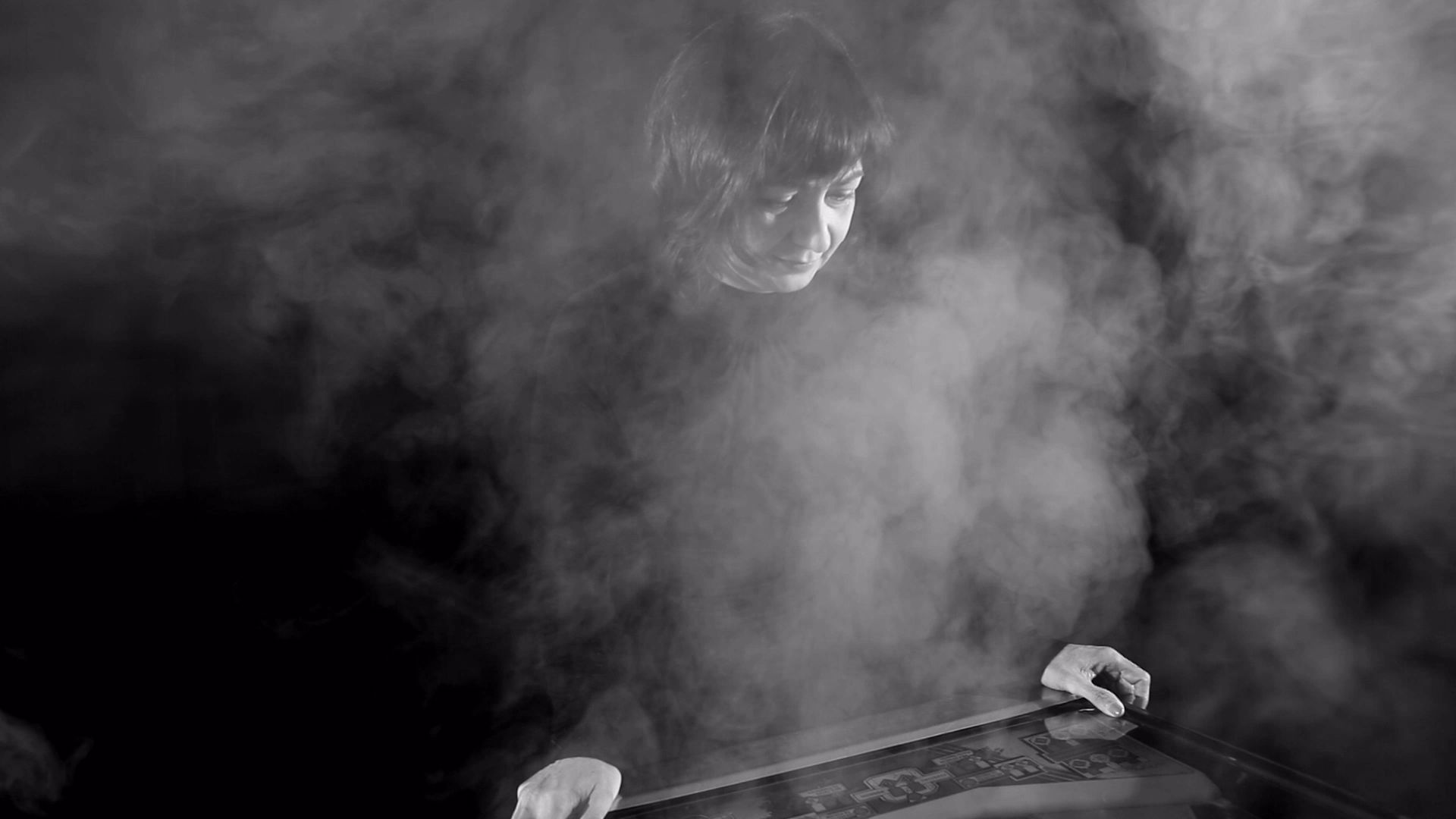
Through the repetition of the images along the narrative, we try to reach different levels of filmic interpretation, where the spectator’s identification with the main character should be strong.
Through the immersion in the interactive narrative, we look forward to creating a mirror effect, where the spectator and the protagonist share the same identity, becoming the spectator-protagonist. The narrative is pre-defined, because its structure can’t be changed, however the way it is experienced depends directly on the spectator-protagonist choices. The exhaustive repetition of the images tries to interfere with the temporal perception of the spectator-protagonist, which may result in three kinds of understanding or reactions:
- The emptying of the image meaning, by losing the seduction of the first look;
- The image valorization, through the discovery of details that have not been perceived in the early screenings;
- The addition of details that didn’t exist in the first views, by image manipulation.
This last hypothesis plays with the spectator’s memory that will be tested by the impossibility to check the previous existence of the added details in the image repetition. The repetition of the images will run until the third generation, meaning that only the last three images will be able to be repeated. Thus, as the new images appear, those which were already repeated three times will no longer be shown, as we will demonstrate below.